











Univrmagazine
sabato, 16 Maggio 2026
verona
  • Attualità
    Photocredits: @adobestock - di Studio Romantic

    Il bullismo femminile in Italia

    Verona Èuropa 2026, al via la quarta edizione del festival europeo

    Teoderico da Verona a 1500 anni dalla morte

    Photo credits: @Adobestock - di Thananatt

    L’ateneo consolida la sua rete globale con nuovi accordi internazionali

  • Ricerca

    EU-Gift Sport Week: a Verona

    Da sx: Andrea Dalbeni, Marco Vicardi, David Sacerdoti, Michele Milella, Alessandra Auriemma, Martina Faccini, Michele Bevilacqua, Filippo Cattazzo.

    Tumore al fegato, ambulatori integrati allungano la sopravvivenza e migliorano i risultati delle cure

    Trasferimento tecnologico e innovazione

    Robot per il prelievo venoso al via lo studio clinico

  • Dai dipartimenti

    Editori e bibliotecari tra AI e metadati

    Photo credits: @Elev8to9 - Adobestock

    Gaza, dalla ricerca su Lancet un intervento psicologico efficace e replicabile

    Arte māori e interconnessione del mondo

    Photocredits: Date 2026

    Organizzazione, studenti e ricerca al centro dell’innovazione

  • Verona città universitaria
    Photo credits: Equipaggio Nave Italia

    Univr in mare per costruire la Carta dell’inclusione

    Da sx: Molteni, Bianchera, Palermo

    Il museo d’arte contemporanea in divenire: collezioni, comunità, relazioni

    “Lea e le Eumenidi” teatro civile contro mafie e violenza

    In ricordo di Giulio Regeni a 10 anni dalla sua scomparsa

  • Redazione
No Result
View All Result
Univrmagazine
  • Attualità
    Photocredits: @adobestock - di Studio Romantic

    Il bullismo femminile in Italia

    Verona Èuropa 2026, al via la quarta edizione del festival europeo

    Teoderico da Verona a 1500 anni dalla morte

    Photo credits: @Adobestock - di Thananatt

    L’ateneo consolida la sua rete globale con nuovi accordi internazionali

  • Ricerca

    EU-Gift Sport Week: a Verona

    Da sx: Andrea Dalbeni, Marco Vicardi, David Sacerdoti, Michele Milella, Alessandra Auriemma, Martina Faccini, Michele Bevilacqua, Filippo Cattazzo.

    Tumore al fegato, ambulatori integrati allungano la sopravvivenza e migliorano i risultati delle cure

    Trasferimento tecnologico e innovazione

    Robot per il prelievo venoso al via lo studio clinico

  • Dai dipartimenti

    Editori e bibliotecari tra AI e metadati

    Photo credits: @Elev8to9 - Adobestock

    Gaza, dalla ricerca su Lancet un intervento psicologico efficace e replicabile

    Arte māori e interconnessione del mondo

    Photocredits: Date 2026

    Organizzazione, studenti e ricerca al centro dell’innovazione

  • Verona città universitaria
    Photo credits: Equipaggio Nave Italia

    Univr in mare per costruire la Carta dell’inclusione

    Da sx: Molteni, Bianchera, Palermo

    Il museo d’arte contemporanea in divenire: collezioni, comunità, relazioni

    “Lea e le Eumenidi” teatro civile contro mafie e violenza

    In ricordo di Giulio Regeni a 10 anni dalla sua scomparsa

  • Redazione
No Result
View All Result
Univrmagazine
No Result
View All Result

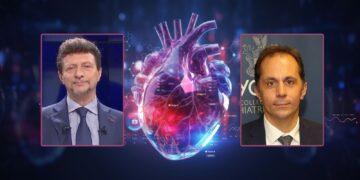
Genetic Causes of Myocardial Infarction at an early age have been discovered

Some researchers of the University of Verona have taken part in a research study published on the journal called “Nature”

di univr
19 Dicembre 2014
in Ricerca e innovazione

Scientists have made a major breakthrough in the comprehension of the genetic causes which determine myocardial infarction. In the last few days, the results of a new research have been published on the prestigious scientific journal called Nature. Some researchers of the University of Verona and of the University of Verona Health Care Service, Professor DomenicoGirelli, Professor Nicola Martinelli and Professor Oliviero Olivieri of the Department of Medicine and of the Internal Medicine Section took an active part in this research. The director of the Internal Medicine Section is Professor Oliviero Olivieri. The new research study, co-ordinated by Sekar Kathiresan, Professor of the University of Harvard and of the Massachusetts Institute of Technology of Boston, focused on subjects suffering from myocardial infarction at an early age, also called “precocious”. This kind of myocardial infarction arises in men under 50 and in women under 60. This kind of subjects are an ideal model for the study of the DNA in infarction, because in this kind of subjects the role of genetic factors is considered to be maximal.   


Cardiovascular diseases and genetic factors.According to the latest data,elaborated by the World Health Organization,cardiovascular diseasesare the rifest illness and the principal cause of death in the world, both in the developed countries and in the developing countries.Among this group of diseases, acute myocardial infarctionis the principal cause of death, determiningmore than 7 millions of deceases pro year.Even if uncorrent ways of life, such as tobacco smoking, hypercaloric and high-fat diets, lack of physical activity, are the main causes of the infarction, also genetic factors play an important role. The risk of developing infarction caused by genetic factors is of 40%. In the last years, with the improvement of technologies for the analysis and the study of the DNA, enormous progress have been made in order to discover the genetic factors which determine infarction, even if the researchers have not given a complete meaning to them yet. The researchers of the University of Verona are leading researches on the genetics of myocardial infarction from many years, thanks to a study on the hearth, called Verona Hearth Study, known the world over. CariVerona Foundation and the Regione Veneto body supported this study.


The results of the study.After havingdetermined some common genetic variants associated to a  moderate risk of development of infarction in the last years, this time the researchers have focused on the quite rarest, but at higher-risk,variants. The researchers explain: “We have led this research applying sequencing methodologies of the DNA of the latest generation (called Next Generation Sequencing or NGS) for the study of the so-called exomes. The exomes are DNA regions who control the production of all the proteins who make up the human organism. Thanks to these advanced methodologies, which are able to study the DNA with a precision and an attention unimaginable till some years ago, researchers have determined two genes particularly important for the development of myocardial infarction. The first gene codifies for the receptor of the so-called bad cholesterol, also called LDL cholesterol (LDL receptor or LDLR). Mutation inactivating this gene cause a reduced disposal of the LDL cholesterol from the blood, which gather in the arteries, determining its obstruction and infarction in the end.” .     

The LDLR gene was known past time, but people thought that mutations inside this gene were very rare. The researchers add: “Instead, this study demonstrates that they are present in the 2% of the general population and the carriers risk to develop the myocardial infarction at an early age very much, notwithstanding also from uncorrect ways of life. Now NGS methodologies allow to determine this kind of mutations at a controlled  cost, which will decrease ever more in the next years. This will be particularly important in order to make a precocious diagnosis in these subjects, a necessary diagnosis in order to intervene just in time and prevent the development of infarction.”.

The other determined gene controls the synthesis of a protein called Apolipoprotein A5 (APOA5), which associates itself with the triglyceride-transport in the blood. They explain:“APOA5 mutations prevent triacylglycerol degradation, increase the level in the blood and, also in this case, favour the formation of vascular plaques, which is the main cause of infarction. The discovery of the so-called APOA5 as gene involved in infarction confirms the causal role of triglyceridesin the development of the disease,together with the role of the most knownbad cholesterol. It opens up new therapeutic perspectives to the sick and the only control of cholesterol levels into their bloodstream does not seem to be sufficient.”.        


12/16/2014

Articolo precedente

Isef & Scienze Motorie @ Verona

Articolo successivo

Assegnazione del fondo di finanziamento ordinario agli atenei 2014

Ti potrebbe piacere anche

Photocredits: @adobestock - di Studio Romantic
Attualità

Il bullismo femminile in Italia

di Martina Bianchi
15 Maggio 2026
Photo credits: Equipaggio Nave Italia
Verona città universitaria

Univr in mare per costruire la Carta dell’inclusione

di Martina Bianchi
14 Maggio 2026
Dai dipartimenti

Editori e bibliotecari tra AI e metadati

di Elena Melis
12 Maggio 2026
Da sx: Molteni, Bianchera, Palermo
Verona città universitaria

Il museo d’arte contemporanea in divenire: collezioni, comunità, relazioni

di Elena Melis
12 Maggio 2026
Photo credits: @Elev8to9 - Adobestock
Dai dipartimenti

Gaza, dalla ricerca su Lancet un intervento psicologico efficace e replicabile

di Elena Melis
12 Maggio 2026

Ultimi articoli

Photocredits: @adobestock - di Studio Romantic
Attualità

Il bullismo femminile in Italia

15 Maggio 2026
Photo credits: Equipaggio Nave Italia
Verona città universitaria

Univr in mare per costruire la Carta dell’inclusione

14 Maggio 2026
Dai dipartimenti

Editori e bibliotecari tra AI e metadati

12 Maggio 2026
Da sx: Molteni, Bianchera, Palermo
Verona città universitaria

Il museo d’arte contemporanea in divenire: collezioni, comunità, relazioni

12 Maggio 2026
Photo credits: @Elev8to9 - Adobestock
Dai dipartimenti

Gaza, dalla ricerca su Lancet un intervento psicologico efficace e replicabile

12 Maggio 2026
Verona città universitaria

“Lea e le Eumenidi” teatro civile contro mafie e violenza

11 Maggio 2026
Ricerca e innovazione

EU-Gift Sport Week: a Verona

11 Maggio 2026
Verona città universitaria

In ricordo di Giulio Regeni a 10 anni dalla sua scomparsa

11 Maggio 2026
Univrmagazine

il giornale dell’Università degli Studi di Verona

Direttore editoriale: Ivan Russo
Direttrice responsabile: Roberta Dini

Registrazione presso il Tribunale di Verona
Numero di registrazione testata N.1820 del 18.11.2008

Copyright ©
Area VaDiS - Valorizzazione e Divulgazione dei Saperi
Università degli Studi di Verona

Iscriviti alla newsletter

Inviami una mail per confermare l’iscrizione al servizio di newsletter e così esprimere il mio consenso al trattamento dei dati personali

Controlla la tua casella di posta o la cartella spam per confermare la tua iscrizione

  • Privacy Policy
  • Cookie Policy
Utilizziamo i cookie sul nostro sito Web per offrirti l'esperienza più pertinente ricordando le tue preferenze e ripetendo le visite. Facendo clic su "Accetta tutto", acconsenti all'uso di TUTTI i cookie. Tuttavia, puoi visitare "Impostazioni cookie" per fornire un consenso controllato.
Preferenze cookieAccetta tutti
Manage consent

Informativa breve cookies

Il Titolare utilizza i cookie per ottimizzare la fruizione del sito e per velocizzare le esperienze ed attività degli utenti. Il sito consente anche l’invio di cookie di “terze parti” per compilare statistiche anonime aggregate.
Necessari
Sempre abilitato
I cookie necessari per l’utilizzo del sito Web sono essenziali per il funzionamento del sito web, bloccarli non ne permette il funzionamento. Questa categoria include cookie che consentono di facilitare la navigazione e il servizio reso all’utente. Per la loro installazione non è necessario il tuo consenso.
CookieDurataDescrizione
cookielawinfo-checkbox-analytics11 monthsThis cookie is set by GDPR Cookie Consent plugin. The cookie is used to store the user consent for the cookies in the category "Analytics".
cookielawinfo-checkbox-functional11 monthsThe cookie is set by GDPR cookie consent to record the user consent for the cookies in the category "Functional".
cookielawinfo-checkbox-necessary11 monthsThis cookie is set by GDPR Cookie Consent plugin. The cookies is used to store the user consent for the cookies in the category "Necessary".
cookielawinfo-checkbox-others11 monthsThis cookie is set by GDPR Cookie Consent plugin. The cookie is used to store the user consent for the cookies in the category "Other.
cookielawinfo-checkbox-performance11 monthsThis cookie is set by GDPR Cookie Consent plugin. The cookie is used to store the user consent for the cookies in the category "Performance".
viewed_cookie_policy11 monthsThe cookie is set by the GDPR Cookie Consent plugin and is used to store whether or not user has consented to the use of cookies. It does not store any personal data.
Non necessari
Cookie Analitici di Terze Parti I cookie statistici aiutano il titolare a capire come i visitatori interagiscono con il sito, trasmettendo informazioni in forma anonima. Alcuni di questi cookie sono gestiti per noi da terzi (Google Analytics, Matomo) sempre in forma anonima e non consentiamo loro di utilizzarli per altre finalità.
ACCETTA E SALVA
Powered by CookieYes Logo
No Result
View All Result
  • Attualità
  • Ricerca e innovazione
  • Dai dipartimenti
  • Verona città universitaria
  • Redazione